Older Pittsburgh architecture presents specific structural vulnerabilities that allow commensal rodents to compromise indoor hygiene. Brick rowhouses in Lawrenceville and Bloomfield share unsealed party walls, while…
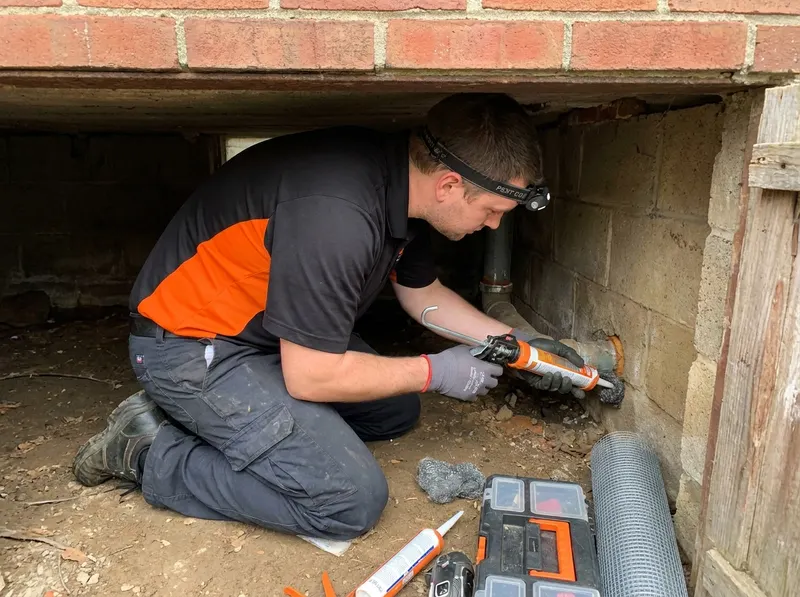
Older Pittsburgh architecture presents specific structural vulnerabilities that allow commensal rodents to compromise indoor hygiene. Brick rowhouses in Lawrenceville and Bloomfield share unsealed party walls, while century-old stone foundations in Shadyside, Squirrel Hill, and Highland Park frequently develop mortar gaps from shifting freeze-thaw cycles. House mice require an aperture of only 0.25 inches to gain access, while Norway rats squeeze through openings measuring 0.5 inches. Physical sealing prevents these pests from traveling via utility lines, floor joists, and sewer conduits into living quarters. Field protocols follow standards established by the Pest Control Technology guidelines and National Pest Management Association standards, emphasizing physical barriers over non-targeted chemical disbursement.
Eradication protocols prioritize domestic safety, targeting the specific biological habits of urban rodents. Indoor populations are managed via contained mechanical traps placed along identified travel runs, avoiding loose poison baits that risk secondary poisoning to domestic pets or decay inside inaccessible wall voids. Biological pathogens linked to rodent droppings are documented by the Centers for Disease Control and Prevention rodent resources. Structural sealing involves weather-resistant materials, including heavy-gauge stainless steel mesh, elastomeric sealants conforming to ASTM International construction specifications, and sheet metal flashing across garage door jambs, low-elevation sill plates, and crawlspace vents. Environmental oversight aligns with rodent management practices outlined by the United States Environmental Protection Agency and state regulations enforced by the Pennsylvania Department of Agriculture.
Initial diagnostic evaluations assess ground-level transitions, basement window lintels, and roofline intersections. Properties along steep gradients in Mount Washington and Brookline, as well as dense residential rows in the South Side Flats and East Liberty, often experience rodent pressure driven by seasonal moisture and urban food waste. Waste management regulations from the Allegheny County Health Department emphasize sanitation, while exclusion specifications reference structural durability benchmarks from the U.S. Department of Housing and Urban Development and workspace safety parameters from the Occupational Safety and Health Administration. Nexford Pest Solutions secures these vulnerability points without recurring long-term chemical contracts.
Every job gets a firm, written price after a free on-site visit.
Tell us about your residential rodent exclusion and eradication job in Pittsburgh and we'll send a clear, written quote, usually the same day.
 Nexford Pest Solutions